When you leave an event, what do you leave with? A notebook full of quotes, a handful of new LinkedIn connections, maybe a suitcase flirting with the 50-pound limit thanks to all the extra swag?
At POSSIBLE this year, we left with something even bigger: a major launch moment for tvScientific.
Or should we say, tvScientific by Pinterest.
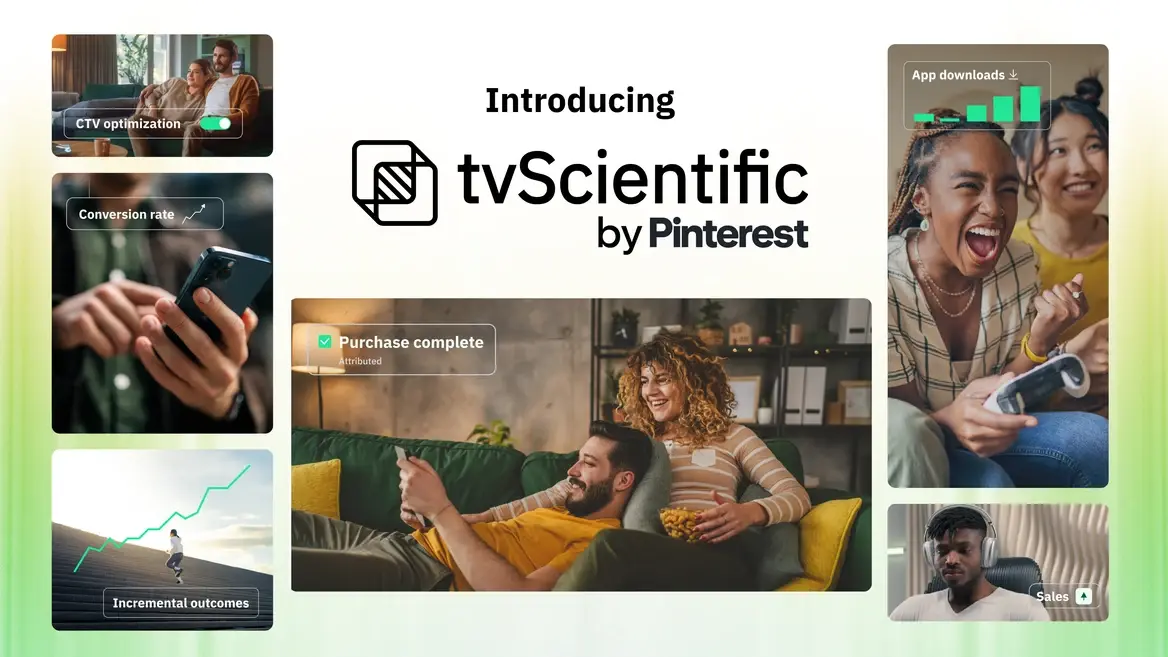
That was the biggest headline of our week in Miami: the debut of tvScientific by Pinterest. Alongside the rebrand came the first integration between the two products, making Pinterest high-intent audiences available in tvScientific. It’s a major milestone for both brands and an exciting step forward in helping advertisers reach people at every stage of the shopping journey.
Beyond the launch, POSSIBLE gave us a lot to come home with. We had thoughtful conversations and (of course) a few clear themes that kept surfacing.
The big moment: tvScientific by Pinterest
What a secret this has been to keep.
Finally sharing tvScientific by Pinterest felt surreal. The new name feels ceremonial in that the two brands are officially coming together. But this moment is about more than a name. It marks the start of a new chapter for media and performance marketing. A chapter where advertisers can connect Pinterest’s high-intent audiences to TV campaigns designed to drive performance.
We had the chance to bring this story to life in a few different ways throughout the week, including sessions hosted by Lee Brown, Chief Business Officer at Pinterest, and Emily Robinson, VP of Marketing at tvScientific by Pinterest.
Lee’s conversation looked at what’s changing across the industry, from AI’s impact on search and discovery to the rise of inspiration as a new kind of intent, and what all of that means for brands trying to stay ahead. Emily’s session zoomed in on the changing role of TV, making the case for Performance TV as a channel that can drive both revenue and awareness.
Put together, the two sessions underscored the same idea: the future of media is more connected, more measurable, and less interested in old channel boundaries.
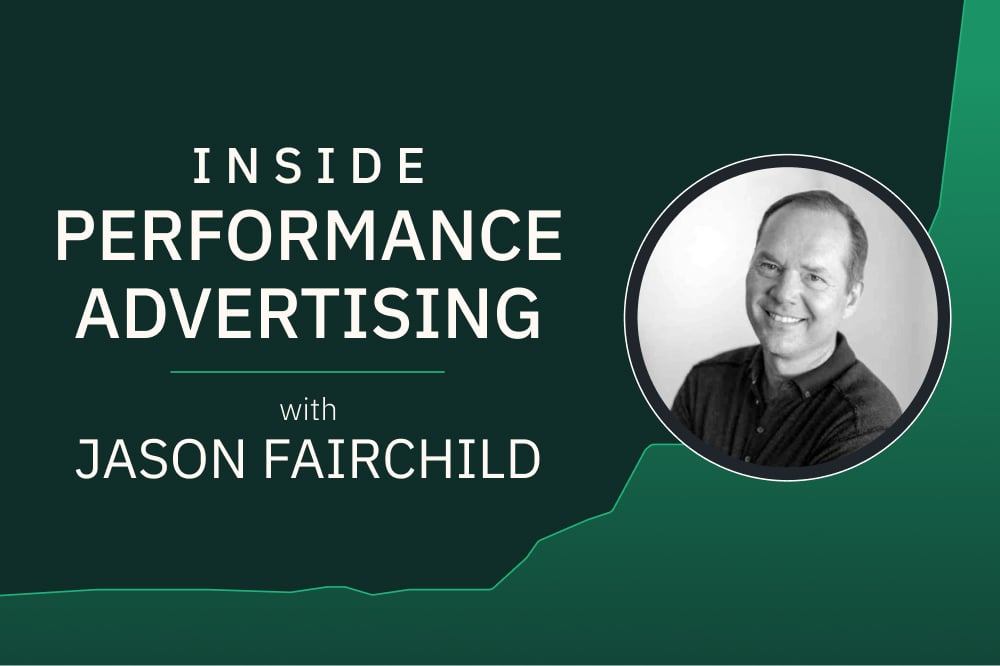
We also hosted a lunch that brought the conversation to life in a more intimate setting. Featuring Jason Fairchild, CEO at tvScientific by Pinterest; Chip Jessopp, VP of Programmatic at Pinterest; Remy Stiles, CEO at Kepler; Jared Brody, EVP Marketing at Resident/Ashley Furniture; and Joe Yakuel, CEO at WITHIN, the panel talked about how brands are using high-intent audiences plus proven growth channels to drive full-funnel results — and they shared the data to back it up.
As a marketer, I appreciated that it balanced big-picture thinking with the practical questions we’re all asking right now: how do you build smarter strategies, how do you measure what matters, and how do you meet consumers in moments of intent?
(By the way, when it comes to the integrating of these two brands, we’re just getting started.)
What we heard at POSSIBLE
One of the best parts of any event is noticing which ideas people can’t stop talking about, whether on stage, in meetings, or somewhere between coffee and last call.
At POSSIBLE this year, the conversations kept circling back to a familiar set of questions: How do we connect channels more intelligently? How do we reach people when they’re ready to act? And how do we use new technology in ways that are genuinely useful, not just flashy?
These were three of the themes we heard most often.
Performance is no longer a channel story.
One of the clearest themes of the week was that performance marketing is no longer being treated as a single-channel exercise. The old lines between brand and performance, upper funnel and lower funnel, even digital and TV, are getting a lot blurrier. And marketers actually seem increasingly comfortable with that.
The conversation is now about connected systems: how different channels work together, how audience signals can travel further, and how measurement can better tell the real story. Performance isn’t about asking which one channel gets credit anymore, but about understanding how the pieces work together to drive action.
Intent and performance are the new it couple.
Another conversation we heard a lot: intent matters.
Marketers are looking for better ways to show up when consumers are actively planning, researching, comparing, and getting closer to making a decision. They’re looking for ways to reach people at the right moment, in the right mindset. That’s part of what made so many conversations feel less focused on volume alone and more focused on relevance.
The connection between intent and performance came up a lot, especially in discussions around shopping behavior, audience quality, and what actually moves people from inspiration to action. It’s a simple idea, but an important one: performance gets a lot more powerful when it starts with real intent.
And this is just one reason why the debut of tvScientific by Pinterest feels especially relevant.
AI is maturing from buzzword to business tool.
Yes, AI was everywhere (obviously). But compared with the more speculative conversations of the last couple of years, this year felt noticeably more practical.
The tone was less “AI will change everything” and more “here’s where it can actually help.” We heard more grounded conversations about how AI can improve planning, optimize campaigns, and make measurement more actionable. The focus felt less theoretical and much more operational.
For example, on a mainstage chat featuring Pinterest CMO Claudine Cheever and Cloudflare co-founder and CEO Matthew Prince, the conversation went beyond AI as a productivity tool and looked at how AI is changing discovery itself. As AI plays a bigger role in how people find information and make decisions, brands need to rethink not just how they advertise, but how they stay visible and build connection in the first place. It was a reminder that the AI conversation is more than just doing the same work faster. It’s about preparing for a very different consumer journey.
Looking back (and ahead)
POSSIBLE 2026 gave us a lot: fresh ideas, great conversations, memorable brand moments — and obviously, one very big launch.
The debut of tvScientific by Pinterest made this year’s event especially meaningful for us, and we’re excited about what it opens up for advertisers going forward. We’ll be sharing much more from the week soon on LinkedIn, including deeper takeaways from our sessions and conversations along the way.
Until then, we’re heading home with plenty to think about — and definitely way too much swag.