Here’s a familiar planning conversation.
Search keeps getting more expensive.
Social gets harder to break through.
And the team still needs net-new growth.
Not more bidding wars for the same in-market customer. Actual growth.
That’s usually when TV comes back into the room.
But that framing misses the point.
The question is no longer whether TV belongs in a modern performance mix. It does. The real question is what kind of TV you’re buying — and whether it can be held accountable to business results.
That’s where Performance TV comes in.
As streaming has become the center of how people watch television, TV itself has changed. Performance TV combines the reach and attention of television with the precision, automation, and measurability marketers expect from digital. Which means TV is no longer just an awareness play. It can drive outcomes like sales, installs, site visits, and revenue — and prove it.
This guide breaks down what Performance TV is, how it works, and why it matters in 2026.
What is Performance TV?
Simply put, Performance TV is performance marketing on the biggest screen in the house.
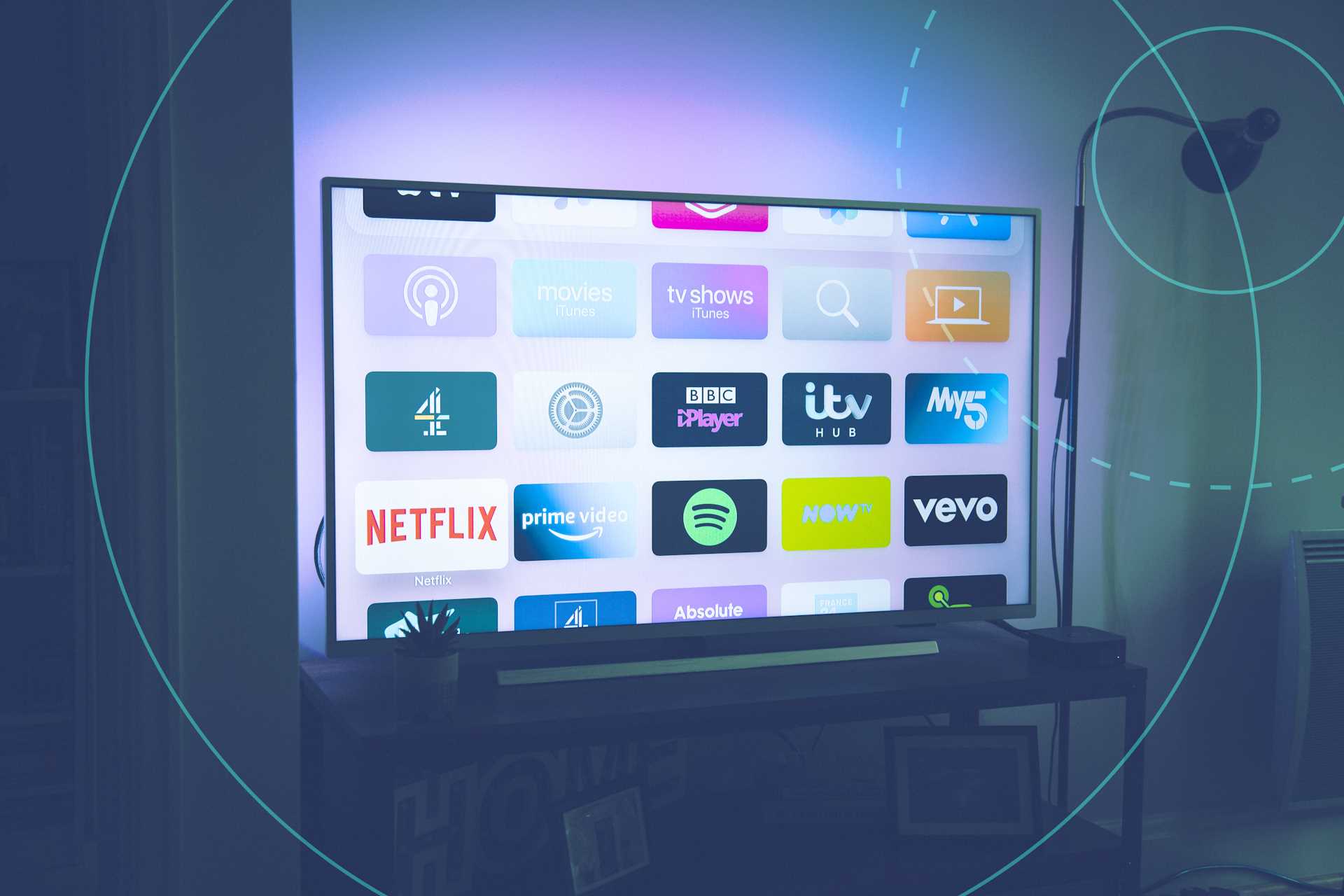
It lets marketers run video ads across connected TV environments — smart TVs, streaming devices, and gaming consoles — in a way that behaves more like a digital performance channel than traditional television.
That distinction matters.
This is not old-school TV buying with broad reach and fuzzy measurement. Performance TV is built to drive outcomes.
It does a few things differently:
- Runs non-skippable, full-screen video ads in premium streaming environments
- Lets advertisers activate across multiple streaming apps through a centralized campaign setup
- Uses audience, conversion, and behavioral signals to optimize toward real business outcomes
- Measures impact beyond impressions, including conversions, revenue, and incrementality
- Strengthens both brand and performance by creating attention on TV and action across the rest of the media mix
That’s why Performance TV is becoming a core channel for growth marketers.
Not because it looks like TV.
Because it performs like a modern growth channel.
Performance TV vs. CTV vs. OTT
These terms are related. They are not interchangeable.
OTT — or over-the-top — refers to video content delivered over the internet instead of through cable or satellite. That content can be watched on phones, tablets, laptops, and TVs.
CTV — or connected TV — refers specifically to the internet-connected television screen or device used to stream that content. Think smart TVs, Roku, Fire TV, Apple TV, and gaming consoles.
Performance TV is how marketers buy, optimize, and measure advertising in those environments.
In other words:
- OTT is the content delivery model
- CTV is the screen
- Performance TV is the outcome-driven advertising approach layered on top
That difference is important because inventory alone does not make a campaign performant. The real differentiator is how campaigns are bought, optimized, measured, and tied back to results. That outcome-driven framing shows up consistently across tvScientific’s positioning: CTV works differently when it is optimized toward declared business goals, not just impression delivery.
Why Performance TV matters in 2026
Streaming is no longer a side behavior. It is the center of modern TV consumption.
And viewers do not stay on one screen.
They stream.
They scroll.
They search.
They shop.
Which means TV exposure often influences what happens next somewhere else.
That’s one of the biggest reasons Performance TV matters now. TV is no longer confined to upper-funnel awareness. It creates attention in a high-impact environment, then shapes downstream behavior across search, social, direct, and organic channels — the same cross-platform effect described in the Halo Effect materials.
According to tvScientific by Pinterest’s 2026 Consumer Trends Report, TV is now “a constant presence, woven into the way people discover brands, evaluate products or services, and buy.” That same report found that 65% of consumers say they have made a purchase after seeing a TV ad, while 60% say they have searched for a brand after seeing one. It also found that 78% scroll social media while watching TV, 69% browse online shopping, and 68% look up a product they saw in an ad while watching.1
This is exactly the environment where Performance TV wins.
It creates demand early.
It builds familiarity fast.
And it increases the likelihood of action when a viewer sees your brand again elsewhere.
That’s the point.
TV doesn’t have to work alone to work hard.
In fact, some of its biggest impact shows up in how it improves the rest of your media mix. As the Halo Effect doc puts it, CTV doesn’t just drive isolated conversions. It can increase the baseline probability of conversion across the whole system.
How Performance TV advertising works
Behind every strong Performance TV program is the same core idea: make TV measurable, optimizable, and accountable.
Here’s what that looks like in practice.
1. Start with the outcome
First, define what success actually means.
Okay, but optimize what?
That answer should come before campaign setup, not after.
Common Performance TV goals include:
- Brand awareness: increase recognition and preference among the right audiences
- Reach: expand into new markets, households, or audience segments
- Engagement: drive interest and consideration from high-value viewers
- Conversions: generate actions like sales, installs, leads, or sign-ups
- ROAS: improve the efficiency of media spend against revenue goals
This is also where outcome-based buying becomes meaningful. With programs like tvScientific by Pinterest’s Guaranteed Outcomes, advertisers can align spend to a defined result and only pay when that result happens, whether that’s a sale, lead, install, or site visit.
That changes the risk equation.
Instead of paying for exposure and hoping it turns into performance, marketers can align TV investment more directly to business results — a key differentiator repeatedly emphasized in the compete sheets.
2. Build the right audience strategy
Next comes audience strategy.
Who are you trying to reach?
And why are they the right audience for this goal?
Performance TV supports audience building through a mix of signals, including:
- High-intent and predictive signals
- Demographic and geographic targeting
- Interests and behavioral patterns
- First-party data, such as customers, site visitors, or app users
- Modeled audiences based on historical performance
The best-practices materials make the same point from a brand perspective: strong audience insights help marketers connect with the right customer, personalize messaging, and build stronger results over time.
A good rule of thumb: start broad, then refine.
Why? Because early learnings matter. A broader initial audience gives the system room to identify what is resonating — and where performance is actually coming from — before you narrow too fast.
3. Choose the right buying model
Once goals and audience are clear, the next step is deciding how you want to buy.
Performance TV generally supports two main models:
- CPM: pay for impressions
- Outcome-based pricing, such as CPA: pay when a defined business outcome occurs
That flexibility matters more than it sounds.
A lot of CTV buying still puts all the performance risk on the advertiser. The compete sheets call this out repeatedly when contrasting tvScientific with CPM-only platforms and DSPs.
Outcome-based buying changes that. It creates tighter alignment between media investment and business impact, especially for marketers under pressure to prove efficiency.
4. Let optimization do the heavy lifting
This is where Performance TV starts looking very different from traditional TV.
In legacy TV, optimization was slow, manual, and often based on broad assumptions.
Performance TV is different. Modern platforms can use AI and conversion signals to continuously reallocate spend toward what is driving outcomes and away from what is not.
That may include optimizing based on:
- Audience composition
- Frequency
- Geography
- Creative
- Show or inventory source
- Conversion patterns over time
This “real optimization, not just pacing” distinction shows up clearly in the compete sheets. The core message: strong Performance TV is not just about launching ads quickly. It is about learning from every impression and adjusting in real time toward the advertiser’s stated goal.
5. Run in premium streaming environments
Where your ads appear matters.
Performance TV runs in premium CTV environments where viewers are already engaged with the content on screen. That gives marketers access to high-attention placements in the shows and apps people already spend time with.
And the format itself helps.
Non-skippable.
Full-screen.
No competing tabs.
No scroll-by behavior.
That creates a kind of attention most digital formats struggle to hold.
The Halo Effect doc makes this point well: CTV’s immersive, full-screen nature builds memory and familiarity in a way few channels can, which helps drive downstream action later.
6. Measure what happened next
This is the part marketers care about most.
Did the campaign deliver outcomes?
Did it improve efficiency?
Did it create lift beyond last click?
Performance TV measurement should go well beyond impressions and completion rates. Depending on campaign goals, marketers may track:
- Conversions
- Revenue
- ROAS
- Site visits
- App installs
- Incrementality
- Cross-channel lift
- Time to conversion
That broader measurement view matters because TV’s impact often shows up across the system, not just in a single session. The Halo Report framework reflects exactly that idea: compare exposed and unexposed users to understand how CTV changes downstream conversion behavior across paid search, paid social, direct, and organic traffic.
That’s the bigger unlock.
Not just did someone see the ad?
But did TV change what happened after?
What makes Performance TV powerful
Performance TV works because it combines things marketers usually have to trade off.
It offers:
- The reach and storytelling power of TV
- The targeting and automation of digital
- The measurement rigor performance teams need
- The cross-channel influence that strengthens the rest of the media mix
That combination matters.
Search captures intent.
Social captures engagement.
TV creates attention, memory, and demand.
When Performance TV is done well, it doesn’t compete with the rest of the mix. It improves how the rest of the mix performs — a key idea in both the Halo Effect and brand-awareness guidance.
Which means the role of TV has changed.
It is not just an awareness line item.
It is a growth lever.
Final takeaway
Performance TV is not a trend term. It is a meaningful shift in how marketers can use television.
As more viewing moves to streaming, TV is becoming more addressable, more measurable, and more accountable to business outcomes. That gives marketers something they did not really have before: a way to treat TV like a true performance channel.
And in 2026, that matters.
Because growth teams do not need another channel that looks good in a planning deck. They need channels that create demand, improve efficiency, and prove impact.
That’s what Performance TV is built to do.
Frequently asked questions about Performance TV
What is Performance TV advertising?
Performance TV advertising is TV advertising built to drive measurable business outcomes. It runs non-skippable, full-screen video ads across connected TV environments and combines television’s reach with digital-style targeting, automation, and measurement.
How is Performance TV different from CTV and OTT?
OTT is the internet-delivered content. CTV is the connected screen where that content is watched. Performance TV is the outcome-driven advertising model used in those environments. It is defined not just by where ads run, but by how campaigns are targeted, optimized, and measured.
Is Performance TV good for performance marketing?
Yes. When campaigns are built around clear goals, strong creative, cross-channel measurement, and continuous optimization, Performance TV can drive outcomes like sales, installs, site visits, and revenue. It can also improve the efficiency of other channels by increasing familiarity and conversion likelihood after exposure.
Is Performance TV only for large enterprise brands?
No. While enterprise brands may invest at larger scale, Performance TV is increasingly accessible to a broader range of advertisers. Flexible buying models — including outcome-based options like CPA — make it easier for smaller teams to test, learn, and scale without taking on all the upfront performance risk. That flexibility is a recurring differentiator in the compete sheets.
Want to see how Performance TV can drive more measurable growth for your brand? Book a demo with tvScientific.
Sources:
1. tvScientific by Pinterest, 2026 Consumer Trends Report, United States, April 2026.