We live in a time of incredible technological acceleration. From the exponential growth of compute power to the total disruption of legacy industries, AI is becoming the operating system of business.
For the $780B+ global digital marketing industry, this shift is fundamentally changing how we create, measure, and scale growth.
Defining the terms: math vs. intuition
To understand where we are going, we have to be clear about the present. Historically, the industry has been split into two camps:
-
Performance advertising: This is math-centric media buying based on clear outcome KPIs (e.g. ROAS). Whether it’s an e-commerce brand tracking a sale or an app developer tracking an install, every dollar is accountable. A performance marketing CMO can have a "CFO-proof" conversation because the ROAS is visible on a spreadsheet and verifiable.
-
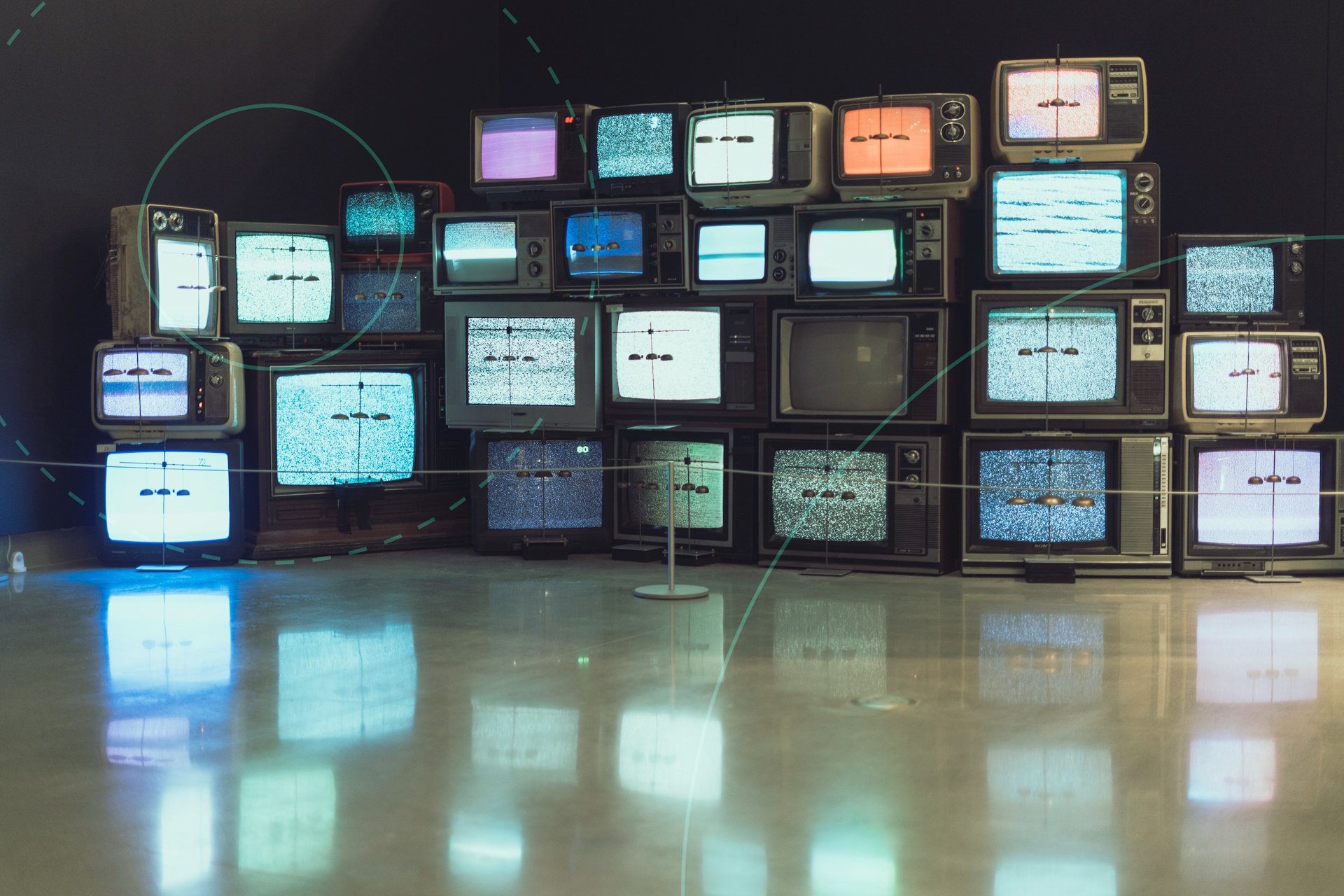
Brand advertising: This is traditional media. Think: TV 1.0, billboards, and radio. The goal is to "reach" audiences, but the ROI is often obscured by statistical "voodoo." For years, marketers have had to justify these budgets based on faith, hoping that broad awareness would eventually trickle down to the bottom line.
Today, led by search and social, performance advertising already accounts for about 65% of the U.S. market. By 2030, as the market tops $1 trillion, that number is expected to hit 80%, according to Omnicom.1 We are moving toward a world where "unmeasurable" spend simply won't exist.
1. The end of "attribution theft"
The biggest hurdle to true performance has always been measurement. For years, we’ve relied on "last-click" attribution, which is essentially a form of credit hijacking.
Take a giant like Ford. They might spend $150M a year on high-impact reach channels like TV and radio to create intent for the F-150. When a consumer finally types "Ford F-150" into Google and clicks an ad, Google "harvests" that intent and claims 100% of the credit.
AI is finally solving this by powering sophisticated incrementality models that can tease out the true impact of each channel and prove exactly how much upper-funnel investment contributes to the final sale. The underlying methodology isn’t new. Direct mail companies have long relied on structured holdout groups to measure lift between exposed and control audiences. Even walled gardens have started to roll out their own incrementality tools, but they operate solely within the confines of their own media footprint, fundamentally limiting their value by excluding the broader mix of touchpoints that shape real-world outcomes.
2. The scientific method for creative
Historically, creative was the last bastion of "gut feel." We’d pick a creative because the team "liked the vibe" and “felt” it was aligned with the campaign’s vision or objectives. In the future, AI won't replace the creative process; it will become a hypothesis engine. We are already applying the scientific method to creative development by testing treatments at the "element level" to measure the actual impact, based on real outcome KPIs.
-
The hypothesis: We test individual variables (e.g. the first 3-second hook, the color palette, or the call-to-action) to understand their specific impact on performance.
-
The feedback loop: Instead of a subjective "I like the blue one" conversation, we use real-time data to identify what actually resonates with the consumer, where “resonates” is measured in terms of outcome KPIs (e.g. did a creative variant lead to higher consumer action, including conversions).
-
Iterative refinement: Human creators focus on the narrative and emotional resonance, while the AI-driven feedback loop refines the execution. For example, AI may process huge amounts of data and determine that a certain color scheme in the creative drives a higher response rate, or a certain profile of actor drives higher conversion rates when targeted to certain audience demographics.
3. The rise of the autonomous growth agent
By 2030, we expect to move past "dashboards" and into the era of the autonomous growth agent. But these agents will only be as smart as the data they eat. To be effective, they must be grounded in the feedback loop of actual purchases or actual business outcomes.
-
Grounding in reality: An autonomous agent optimizes for actual business outcomes like sales, sign-ups, and LTV. It bridges the gap between the TV screen and the credit card swipe.
-
The "self-correction" muscle: Since the agent is tethered to a real-time stream of purchase data, it can self-correct. If a campaign is winning "awards" for creative but failing to move product, the agent identifies the "conversion gap" in real-time, pauses the spend, and re-hypothesizes the creative.
From spender to performance engineer
As we move toward 2030, the role of the marketer is shifting. We are no longer "spenders" hoping our gut instinct is right. We are becoming engineers of high-yield performance machines.
By using the scientific method to optimize both the media and the creative, and grounding the entire system in the truth of the purchase, we are finally delivering on the ultimate promise of advertising: total accountability and predictable growth.
The future of the $1 trillion ad market is automated and accountable.1
Inside Performance Advertising with Jason Fairchild delivers unfiltered insights, strategic perspective, and hard truths from inside the evolving world of adtech—cutting through the noise to focus on what really drives outcomes. Subscribe here.
Sources:
- Omnicom Group Inc., “US Ad Market Winter Update.” 19 Dec 2025. Slide 9.