There’s a lot to be pessimistic about in advertising right now: rising acquisition costs, declining signal quality, growing distrust in platforms, and systems increasingly optimized for attention instead of outcomes. But I hold two views that are, in my mind, both true and optimistic.
Not all advertising is evil, and good advertising will win.
How I define “bad” advertising
Bad advertising is ineffective, but that’s not what makes it bad. It’s bad because it’s fundamentally built on misaligned incentives.
Over the past decade, we’ve seen the rise of ecosystems optimized around engagement at all costs. Endless feeds, infinite scroll, and hyper-personalized algorithms have created systems designed to keep people consuming content at any cost.
Those systems prop up advertising that optimizes for clicks, time spent, and surface-level engagement. These are easy signals to measure, but they’re weak proxies for actual business outcomes. They don’t tell you if you’ve acquired a valuable customer or driven meaningful growth.
Over time, that model produces predictable results: lower-quality outcomes for advertisers, and a degraded experience for consumers. In extreme cases, it creates environments that exploit attention and encourage compulsive behavior, especially for younger audiences.
In short, I define bad advertising as systems that reward engagement, regardless of what it produces.
How I define “good” advertising
Obviously I’m not anti-advertising, but I am pro-better advertising. I’m specifically encouraged by a counter-model I see emerging built on trust, intention, and user choice.
Instead of keeping people stuck in a loop, these environments help them move forward. They’re designed around discovery, consideration, and decision-making instead of passive consumption. Imagine someone generally interested in health watching their favorite streaming service and discovering a smart ring that tracks sleep and recovery. They buy it, start paying attention to their sleep patterns, make healthier adjustments, and ultimately improve their quality of life.
In that model, the goal of advertising is to create something additive that people choose to engage with because it’s useful or relevant. To be sure, there are counterexamples. But there’s also no shortage of positive examples where advertising connects people with products that meaningfully improve their lives.
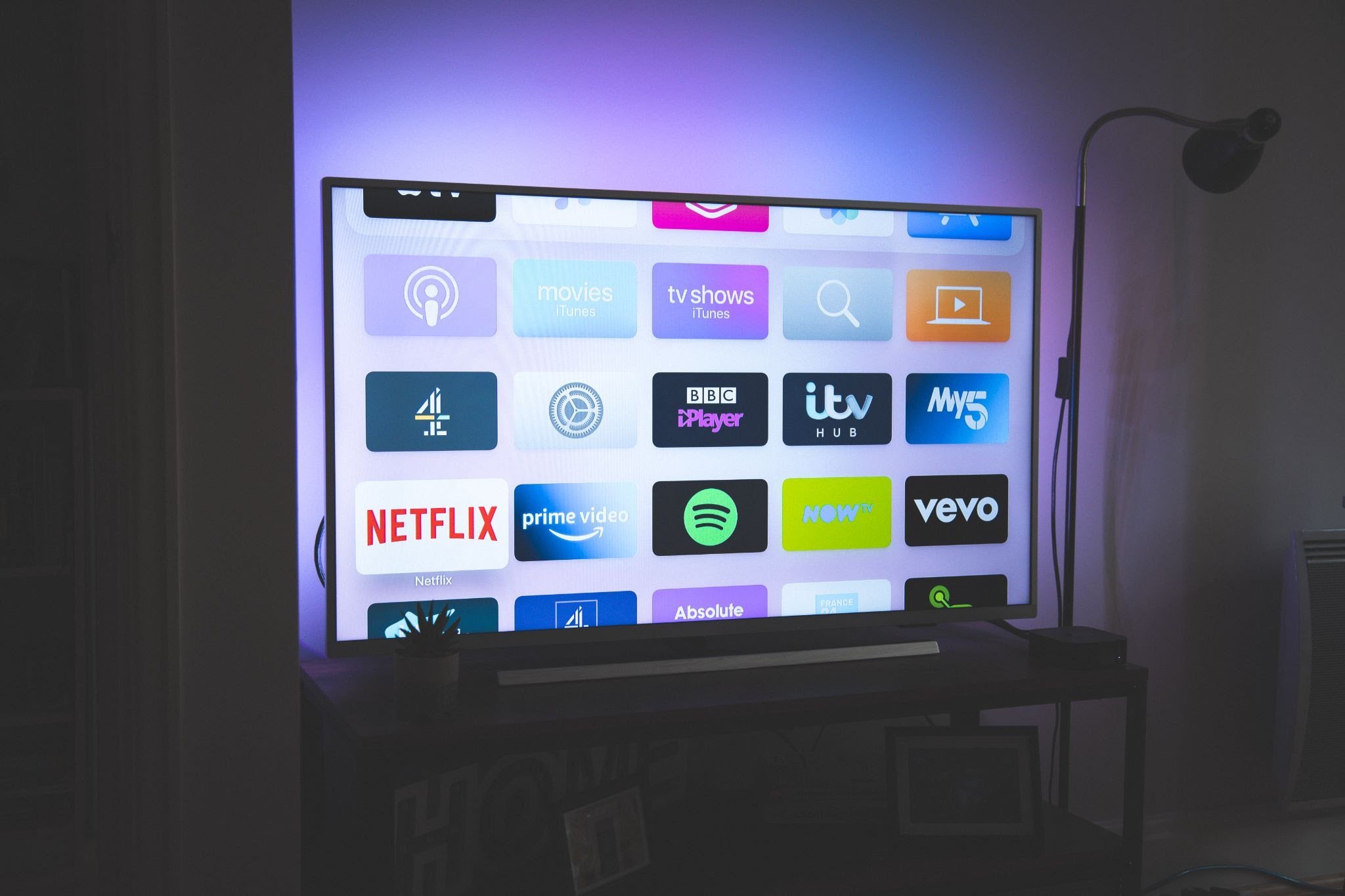
Connected TV fits squarely into this model, in which viewers choose what to watch and engage with higher-quality, longer-form content. There is no infinite scroll and no engineered compulsion loop. And yet, TV advertising has always worked.
Why measurement makes the difference
For years, TV was underinvested by performance marketers for one simple reason: it couldn’t be measured, or, at least, not in the way digital channels could and not in a way that tied directly to outcomes like site visits, conversions, or revenue.
Now, as TV becomes truly and increasingly measurable, performance dollars follow. And when they do, they create a powerful feedback loop: more performance budget leads to more investment in TV, which drives better creative and better consumer experiences. This feeds stronger outcomes, driving more budget.
This loop determines what gets funded, and, in turn, what gets funded determines what gets made. So if we continue to reward low-quality engagement, we’ll keep getting more of it. But if budgets shift toward environments that drive real outcomes (and respect the consumer in the process), the market will follow.
Inside Performance Advertising with Jason Fairchild delivers unfiltered insights, strategic perspective, and hard truths from inside the evolving world of adtech—cutting through the noise to focus on what really drives outcomes. Subscribe here.